How Often Should You Get a Hydrafacial to Maintain Healthy Skin?
The quest for radiant, healthy skin isn’t just about the products you use – it’s about consistency. Hydrafacial treatments have gained popularity for their ability to cleanse, extract, and hydrate skin in one session. But the question remains: how often should you get a Hydrafacial to maintain that coveted glow? Let’s uncover the ideal frequency and why regular treatments might be the key to your best skin yet.
The Science Behind Regular Hydrafacial
Your skin naturally replaces itself every 28-30 days. This renewal cycle is the foundation for understanding why scheduling regular skin treatments matters. The Hydrafacial steps work with this biological clock, not against it.
The complete treatment follows a systematic approach that respects your skin’s natural processes:
- Cleansing and exfoliation to remove dead skin cells
- Gentle acid peel to loosen debris in pores
- Pain-free extraction using vortex suction
- Hydration with antioxidants and peptides
- Protection with targeted serums
Each step builds upon the previous, creating a comprehensive treatment that addresses multiple skin concerns simultaneously. The beauty of this process lies in its ability to work alongside your skin’s natural renewal cycle.
Regular treatments support this renewal in several ways:
- Removing accumulated dead skin cells before they cause dullness
- Clearing pores before blockages leads to breakouts
- Infusing hydration precisely when your skin can best absorb it
- Supporting healthy cell turnover with consistent maintenance
Unlike harsh treatments that fight against your skin’s natural functions, Hydrafacial works with your body’s existing processes. This synergy explains why spacing treatments to match your skin’s renewal timeline maximizes benefits.
What is the Ideal Hydrafacial Frequency?
For most people, the answer to “How often should you get a Hydrafacial?” is straightforward: once every four weeks. This monthly interval aligns perfectly with your skin’s natural cell turnover rate.
Why do monthly treatments hit the sweet spot? By the four-week mark, your skin has completed a full renewal cycle. Surface cells that received hydration and nutrients during your last Hydrafacial have moved through their lifecycle. New cells have emerged that will benefit from fresh treatment. Monthly treatments prevent the buildup of:
- Environmental pollutants
- Excess oil
- Dead skin cells
- Product residue
Consistent monthly treatments yield cumulative improvements in skin texture, tone, and clarity. This schedule provides enough time between sessions for your skin to respond to the treatment while preventing regression to previous concerns.
Think of monthly Hydrafacials as pressing the reset button on your skin – not so frequently that you overwhelm it, but regularly enough to maintain consistent results. This balanced approach prevents both under-treatment and over-treatment.
How Often Should I Get Treated Based On My Skin?
While monthly treatments work well for many, your ideal Hydrafacial schedule should be as unique as your skin. Several factors influence how frequently you should book appointments:
- Oily/Congested Skin: May benefit from treatments every 2-3 weeks initially, as excess sebum production can lead to faster buildup of pore-clogging material
- Dry/Sensitive Skin: Might do better with treatments every 6 weeks after an initial series, allowing more recovery time between sessions
- Mature Skin: Often responds best to consistent monthly treatments to support collagen production and cell turnover
- Combination Skin: Typically aligns with the standard monthly recommendation, with seasonal adjustments
Specific Skin Concerns
Different goals require different approaches to how often Hydrafacial treatments should be scheduled:
- Acne Management: An initial series of treatments every 2 weeks for 4-6 sessions, then monthly maintenance
- Hyperpigmentation: Consistent monthly treatments for at least 3-6 months for visible improvement
- Fine Lines: Regular monthly treatments with quarterly boosters using specialized serums
- Dehydration: Monthly treatments with additional sessions during seasonal changes
The key is recognizing that frequency isn’t static, it’s dynamic and responsive to your skin’s changing needs. For example, someone battling active acne might start with bi-weekly treatments, then transition to monthly maintenance once clear.
A personalized approach also accounts for external factors like climate changes, stress levels, hormonal fluctuations, and lifestyle modifications that all impact skin health. Your skincare professional can help determine if your frequency needs adjustment as these variables change.
The Cumulative Benefits and Value of Regular Treatments

The true magic of Hydrafacial lies in both immediate and long-term results. Understanding this progression helps explain why consistency matters:
Immediate Hydrafacial results you’ll notice after just one session:
- Visible pore refinement
- Improved skin tone and brightness
- Enhanced smoothness and softness
- Reduced oiliness or surface dehydration
However, the most impressive changes develop with regular treatments:
After 3 monthly treatments:
- More consistent clarity
- Reduction in recurring congestion
- Improved resiliency
- Noticeable texture refinement
After 6+ months of regular maintenance:
- Significant improvement in stubborn concerns
- More predictable skin behavior
- Lasting hydration balance
- Progressive fading of minor discoloration
This cumulative effect demonstrates the benefits of Hydrafacial treatments over time. Each session builds upon previous results, creating a foundation for healthier skin that responds better to both treatments and your daily skincare.
When considering the investment, factor in the time commitment: how long does a hydrafacial take? It’s remarkably efficient – typically 30-45 minutes per session. This brief time commitment delivers results that last weeks, making it an effective use of both time and resources compared to daily struggles with multiple products that may not address underlying concerns.
Many clients report that regular treatments actually reduce their dependency on expensive products and makeup, creating additional value beyond the treatment itself. Your skin simply functions better with consistent professional care.
Creating Your Personal Hydrafacial Calendar
Developing a strategic plan for your Hydrafacial treatments maximizes both results and budget. Here’s how to create an effective schedule:
For New Clients
Many professionals recommend starting with an initial series of treatments closer together to address existing concerns:
- Moderate concerns: 2-3 treatments spaced 2-3 weeks apart
- Significant issues: 4-6 treatments spaced 2 weeks apart
This approach creates a strong foundation before transitioning to a regular maintenance schedule. Think of it as an investment in resetting your skin’s baseline.
Seasonal Transitions
Your skin faces different challenges throughout the year, making these ideal times to adjust your frequency:
- Pre-summer: Schedule a treatment to prepare skin for increased sun exposure and humidity
- Fall transition: Book a session to address summer sun damage
- Winter preparation: Arrange a treatment focused on barrier protection before harsh conditions arrive
- Spring renewal: Plan a deep-cleansing session to refresh after winter
Special Occasion Planning
For events where you want to look your absolute best, timing matters:
- Schedule 7-10 days before major events (weddings, photo shoots)
- Avoid scheduling just 1-2 days before important occasions
- Consider a gentle maintenance session 3-4 days before if you’re already on a regular schedule
A well-designed calendar takes the guesswork out of maintaining your results. If you’re looking to learn more about the procedure and its benefits, check out our article What Is Hydrafacial Treatment? Everything You Need to Know for all the details before deciding on the right treatment schedule.
What Should I Do Between Appointments?
What you do between appointments dramatically impacts how long your results last and how often you’ll need treatments. Proper Hydrafacial aftercare extends benefits and protects your investment.
First 24 Hours After Treatment:
- Avoid heat-inducing activities (hot showers, saunas, intense exercise)
- Skip exfoliating products, acids, and retinoids
- Stay makeup-free if possible
- Apply sunscreen diligently if going outdoors
Days 2-7 After Treatment:
- Reintroduce gentle active ingredients gradually
- Focus on hydration and barrier support
- Continue with enhanced sun protection
- Observe how your skin responds and adjust accordingly
Weeks 2-4 (Until Next Treatment):
- Maintain a consistent cleansing routine
- Use appropriate serums for your skin concerns
- Consider gentler exfoliation as needed (typically week 2 onward)
- Track any changes in your skin to discuss at your next appointment
Products that complement and extend Hydrafacial results include:
- Hydrating serums with hyaluronic acid
- Antioxidant formulations
- Barrier-supporting moisturizers
- Broad-spectrum, physical sunscreens
Remember that consistent home care between treatments reduces the need for more frequent professional sessions. Your provider can recommend specific products that work synergistically with your Hydrafacial treatments.
Budget Considerations for Regular Treatments
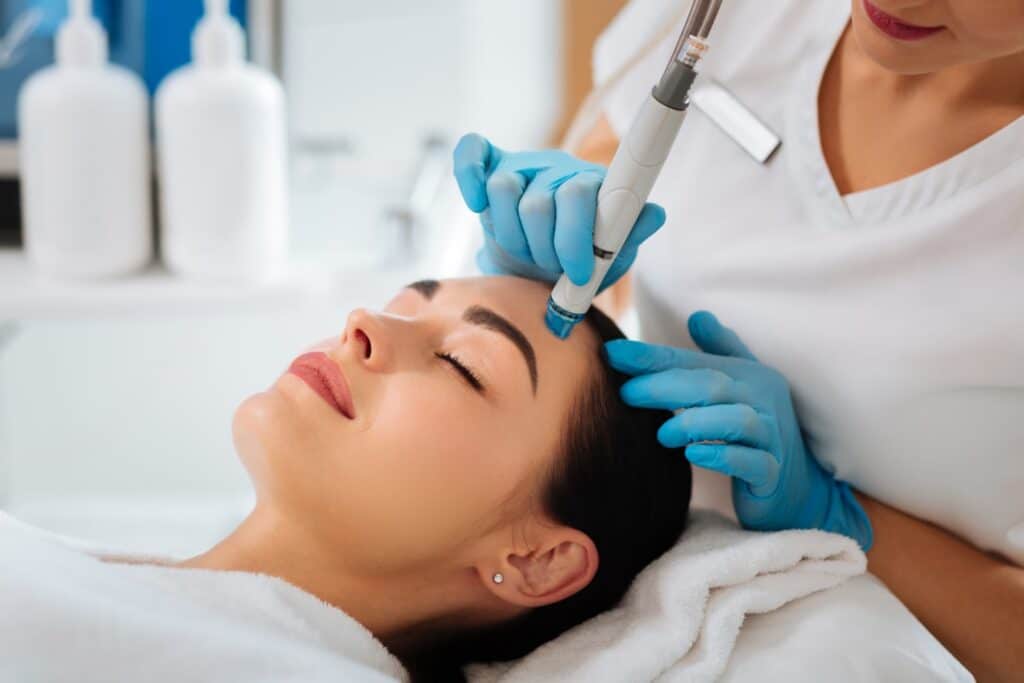
Maintaining regular Hydrafacial treatments requires financial planning. Understanding the investment helps you make informed decisions about frequency.
Cost-effective approaches:
- Package deals typically offer 10-20% savings on multiple treatments
- Membership programs often provide monthly treatments at reduced rates
- Seasonal promotions can make additional treatments more accessible
Consider the comparative value:
- A single professional-grade exfoliator, serum, and mask can collectively cost hundreds of dollars
- These products typically last 2-3 months with regular use
- A monthly Hydrafacial delivers professional-strength treatments with multiple benefits in one session
Financial planning tips for consistent treatments:
- Book multiple sessions in advance to secure package pricing
- Inquire about membership options that include complementary services
- Schedule treatments during special promotional periods
- Ask about referral programs that reward you for sharing your experience
Many clients find that budgeting for regular treatments actually saves money in the long run by reducing the need for multiple products and minimizing costly emergency fixes for major skin issues.
Professional Guidance for Optimal Scheduling
While general guidelines provide a starting point, personalized professional advice remains invaluable for determining exactly how often Hydrafacial treatments will benefit your skin.
During your consultation, a qualified provider will assess:
- Your skin’s current condition and needs
- Previous treatments and how your skin responded
- Realistic expectations and timeline for results
- Budget considerations and maintenance commitment
Signs that your current frequency might need adjustment include:
- Results fading significantly before your next scheduled appointment
- Persistent issues despite regular treatments
- Sensitivity or reactivity that wasn’t present initially
- Seasonal changes affecting your skin’s behavior
Questions to ask your provider about scheduling:
- “Based on my specific concerns, would a different frequency be more effective?”
- “How should my treatment schedule change with the seasons?”
- “What improvements should I expect to see after three consecutive treatments?”
- “When should we reassess my treatment frequency?”
Professional assessment ensures you’re neither under-treating nor over-treating your skin. Your provider can identify subtle changes that might not be obvious to you and adjust recommendations accordingly. Regular check-ins with your skincare professional allow for refinement of your treatment plan as your skin improves and goals evolve. This ongoing dialogue ensures you’re always receiving the most effective care for your current needs.
Consistency for Long-Term Skin Health
Determining how often should you get a Hydrafacial ultimately comes down to balancing your skin’s biological needs with your personal goals. For most people, monthly treatments align perfectly with the skin’s natural renewal cycle, creating lasting improvements without overwhelming the skin.
Your ideal frequency might vary based on your specific skin type, concerns, and lifestyle factors. Beginning with monthly sessions provides a solid foundation that can be adjusted as needed with professional guidance.
Remember that consistency yields the most impressive results. The cumulative benefits of Hydrafacial treatments build over time, creating healthier skin that functions better day-to-day. This progressive improvement makes regular treatments an investment in both immediate appearance and long-term skin health.
Partner with a qualified skincare professional to develop your personalized treatment calendar. At HS MedSpa, our experts can help you create a customized Hydrafacial schedule tailored to your unique skin needs. Contact us today to start your journey toward consistently radiant, healthy skin that showcases your natural beauty.
FAQ
Is it possible to get Hydrafacials too frequently?
Yes. While your skin loves regular care, treatments spaced too closely (more than once every two weeks for extended periods) may lead to sensitivity or barrier disruption. Most skin types benefit from allowing sufficient time between treatments for the skin to respond and normalize.
How quickly will my results fade if I miss my regular appointment?
Most clients notice their skin beginning to return to pre-treatment condition after 4-6 weeks. However, this varies significantly based on your home care routine, environmental factors, and skin concerns. Establishing a consistent treatment schedule helps maintain more stable results.
Should I adjust my Hydrafacial schedule during different seasons?
Seasonal adjustments often benefit skin health. Many clients need slightly more frequent treatments during harsh winter months or after summer sun exposure. Your provider might recommend specialized boosters during certain seasons rather than changing the overall frequency.
Can I substitute other treatments between Hydrafacials?
Complementary treatments like LED therapy, gentle chemical peels, or microcurrent can work well between Hydrafacial appointments. Discuss timing with your provider to ensure these don’t conflict with your Hydrafacial aftercare or overwhelm your skin with too many active treatments.
How do I know if my current Hydrafacial frequency is working?
Effective frequency maintains consistent results without regression between appointments. Track your skin’s behavior throughout the month – if you notice significant congestion, dullness, or return of concerns in the week before your next treatment, you might benefit from adjusting your schedule.