
Lip filler in Fairfax VA can add volume and shape, while a lip flip focuses on how the upper lip moves. The two options may look similar in a short description, but they work differently. Knowing that distinction helps you ask better questions before choosing a treatment. A licensed medical professional can review your goals, anatomy, and health history before recommending a plan.
Lip Filler in Fairfax VA: Volume or Movement?
Start with the change you want to see. Lip filler places a gel-like material in selected areas to add volume or refine the lip border. A lip flip uses a neuromodulator around the upper lip to temporarily soften muscle movement. It may allow the upper lip to turn outward slightly when you smile, but it does not add filler volume.
Think about the concern, not just the name
If you want fuller lips, more definition, or a change in proportions, filler may be the closer match. If your upper lip seems to roll inward when you smile and you want a subtle movement change, a lip flip may be worth discussing. Neither treatment suits every person or every goal. Your natural shape, expressions, and medical history all matter.
These procedures also differ in what they can address. Filler can change the shape and volume of the treated lips, but it does not stop muscle movement. A lip flip may change the upper lip’s appearance during certain expressions, but it cannot replace lost volume or precisely build a border. Review the clinic’s dermal filler treatment information to understand the broader service and consultation process.
How Each Treatment Works
For lip filler, a licensed medical professional places a selected dermal filler into planned areas of the lips. Your plan may focus on overall fullness, border definition, or balance between the upper and lower lip. Placement and amount depend on your anatomy and goals. The product adds volume where it is placed; it does not create the same effect as relaxing a muscle.
A different mechanism for a lip flip
A lip flip uses a neuromodulator in the muscle around the upper lip. The temporary muscle effect may let more of the upper lip show during a smile. It does not fill the lip tissue, and the change may be modest. People seeking a more noticeable increase in volume often need to discuss filler rather than assume a lip flip will do the same job.
Filler and neuromodulator treatments also have different risk profiles and aftercare considerations. With filler, swelling, tenderness, redness, or bruising can occur. The U.S. Food and Drug Administration explains that accidental injection into a blood vessel can cause rare but serious harm, including tissue injury, vision changes, or stroke. Read the FDA’s dermal filler patient guidance and discuss product-specific risks with your clinician.
When a Lip Flip May Be the Better Fit
A lip flip may suit someone whose main concern involves the upper lip during a smile, rather than a lack of lip volume at rest. You might describe the upper lip as appearing less visible when you smile, or ask whether a small movement change could match your preference. A clinician can assess whether the treatment is appropriate for your anatomy and expectations.
Keep the limits in view
Because a lip flip does not add volume, it may not meet a goal for fuller lips or a more pronounced outline. It also changes muscle activity temporarily, so the effect does not represent a permanent reshaping of lip tissue. The treatment can affect expression and lip movement. Discuss how that might relate to speaking, smiling, or other activities that matter in your daily life.
Cost is another practical difference. The current menu lists a lip flip at $300. That figure is specific to this service and does not tell you whether the treatment is suitable. For a comparison of neuromodulator services and how a licensed medical professional approaches them, visit the Botox and wrinkle-relaxer service page. A consultation can clarify what the option can and cannot change for you.
Lip Filler in Fairfax VA: What Results Can Show
Filler may be a closer fit when your goal centers on added volume, clearer border definition, or a change in lip proportions. The amount placed should follow a measured plan rather than a one-size-fits-all target. Some people prefer a subtle adjustment; others may want a more visible change. The right discussion starts with your own features and priorities.
Use photographs as one conversation aid
The client pair below shows increased lip volume and border definition from two angles. It represents this individual’s result, not a typical outcome or a promise. Individual results vary with anatomy, treatment choices, and other personal factors. A photo cannot predict how another person will respond, and it should not replace an in-person assessment.
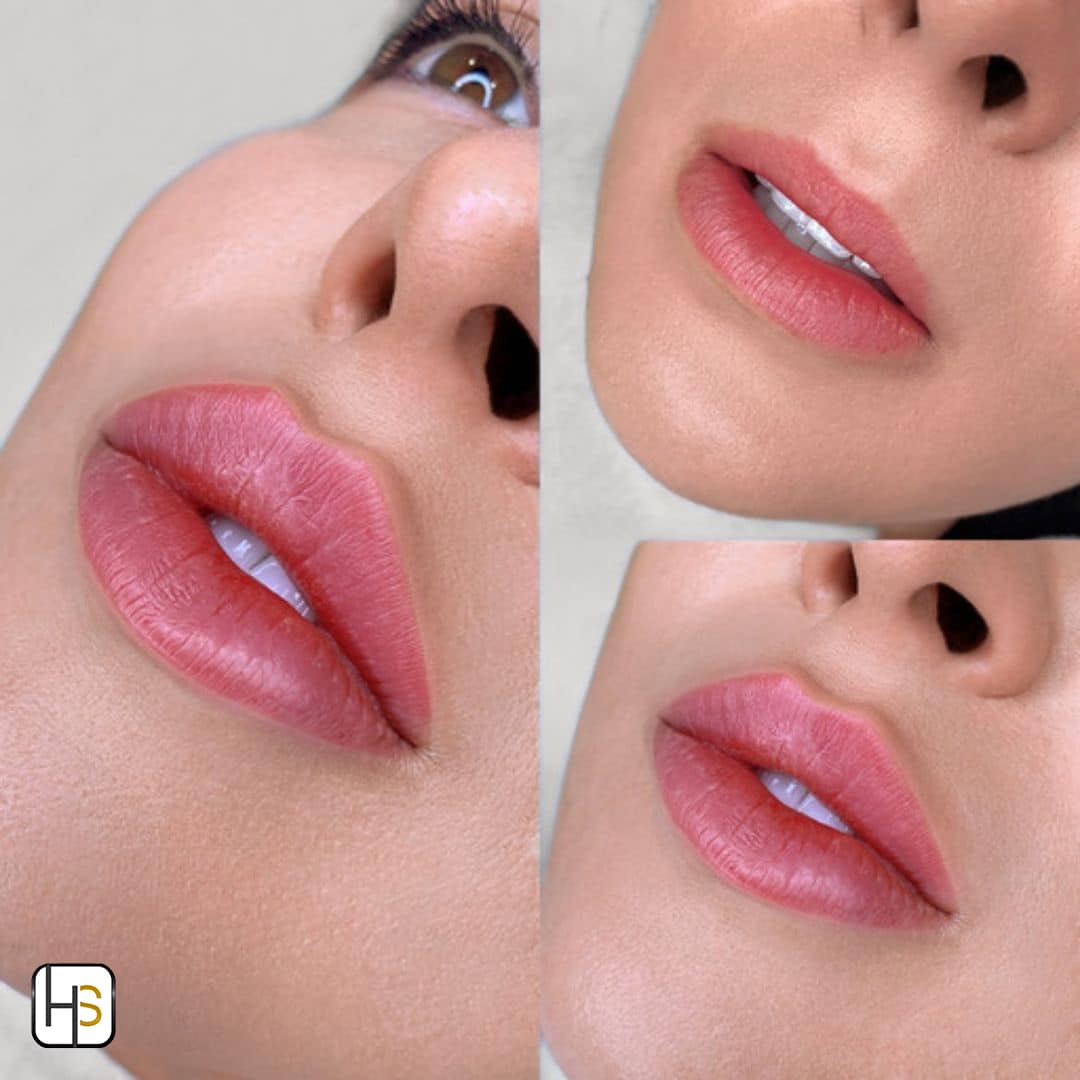
This client pair shows increased lip volume and border definition from two angles. Individual results vary.
Early swelling can also affect how the lips look after filler, so ask the clinician what changes to expect during recovery and when to assess the result. HS MedSpa lists $450 for a half syringe and $750 for a full syringe. The consultation helps determine whether either amount fits the plan; the menu price alone does not establish a recommendation.
When Combining Treatments Makes Sense
Some people ask whether filler and a lip flip can be combined. The treatments act in different ways, so a clinician may consider both when a person has separate goals for volume and upper-lip movement. Combining them is not automatically better, and it is not right for everyone. The decision depends on anatomy, medical suitability, timing, and the result you want.
Plan the order and timing with the clinician
Tell the clinician about any recent or planned injectable treatments, relevant conditions, medications, allergies, and past reactions. Ask whether the services should happen together or at separate visits. The clinician can explain how each treatment may affect appearance and movement, what risks apply, and what follow-up makes sense. Avoid treating a combined plan as a standard package.
A broader facial plan should also distinguish lip concerns from skin concerns. If dryness, texture, or congestion matters more than lip shape, a facial may address a different goal; explore the clinic’s facial service options. This does not replace an injectable assessment, but it can help you name what you want to improve before your visit.
How Consultation Shapes a Safe Plan
At a consultation, explain what you notice at rest and when you smile. Bring reference images only to communicate preferences, not as a promise of an identical result. Ask which treatment addresses your concern, what limits it has, and which alternatives deserve consideration. For lip filler in Fairfax VA, the discussion should include the proposed product, placement, amount, expected recovery, and possible complications.
Questions worth asking
- What change could this treatment reasonably address for my lips?
- How does my health history affect the risks or treatment choice?
- What common side effects should I plan for, and which symptoms need urgent attention?
- If I consider both treatments, should they be staged or combined?
- What will the listed price include, and what follow-up may be needed?
The FDA advises people to choose a licensed health care provider trained in filler injections and to discuss risks before treatment. Tell the clinician about allergies, prior procedures, and any relevant medical conditions. Seek urgent medical attention for unusual pain, vision changes, or pale, gray, or blue skin near an injection site during or shortly after filler treatment.
For people in Fairfax and nearby Oakton or Vienna, the next step is a conversation, not a commitment to a particular procedure. Compare your goals with the differences between lip filler and a lip flip, then ask what fits your individual situation. Use the online booking page to request a consultation and discuss options with a licensed medical professional.

Message